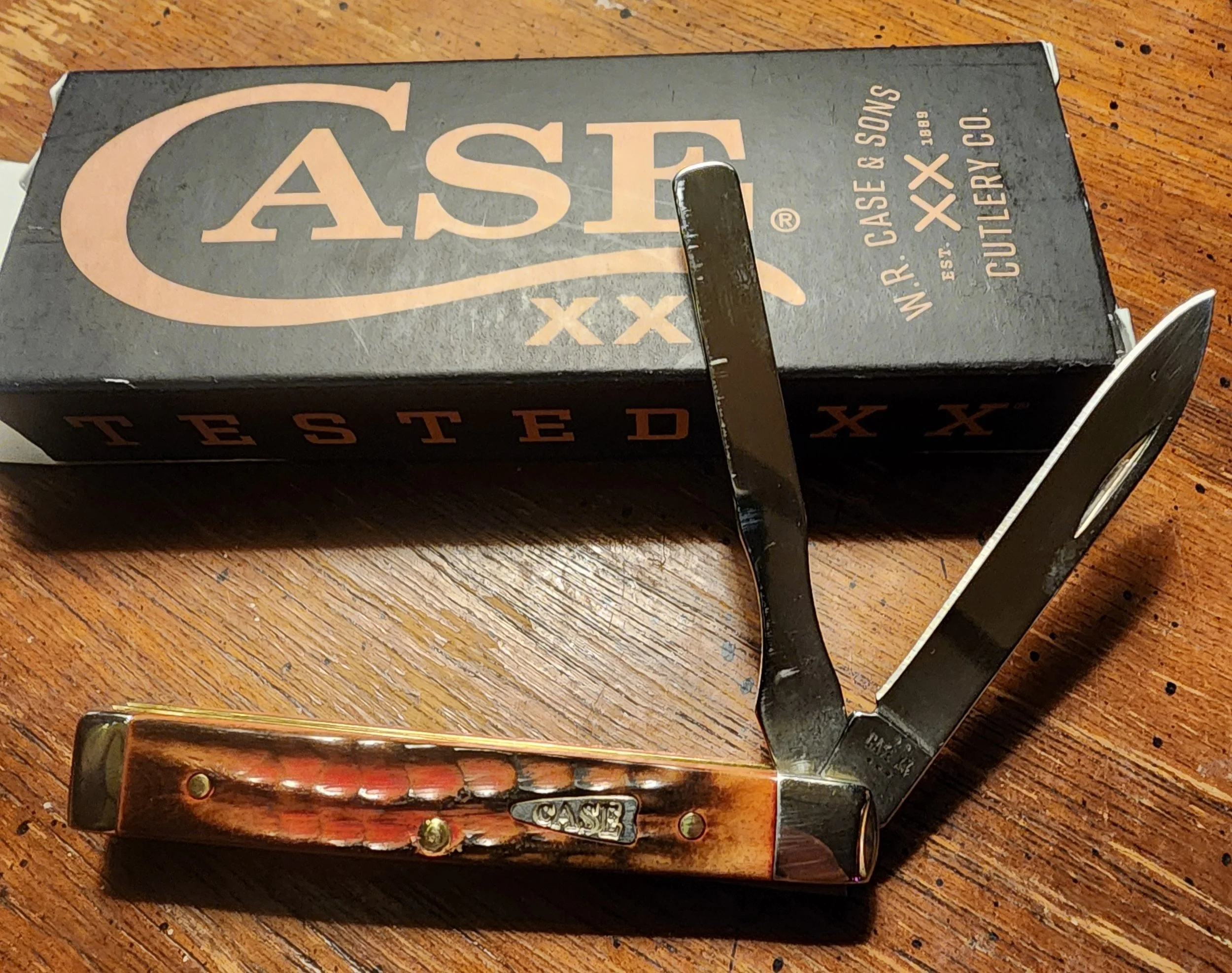

Featured Products
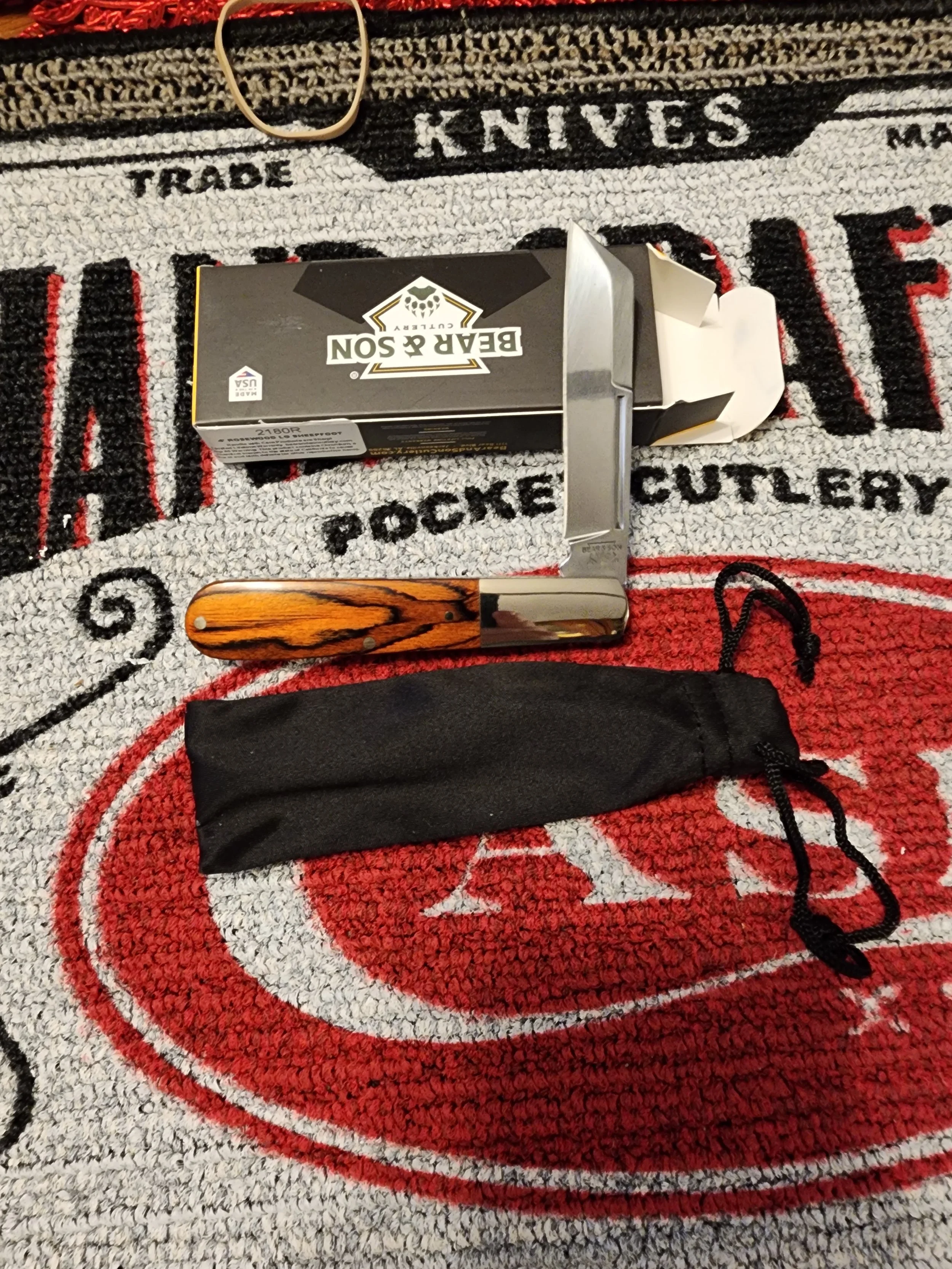
4" (10.16cm) closed. 3" (7.62cm) satin finish high carbon stainless sheepsfoot blade. Rosewood handle. Nickel silver bolster(s). Boxed.
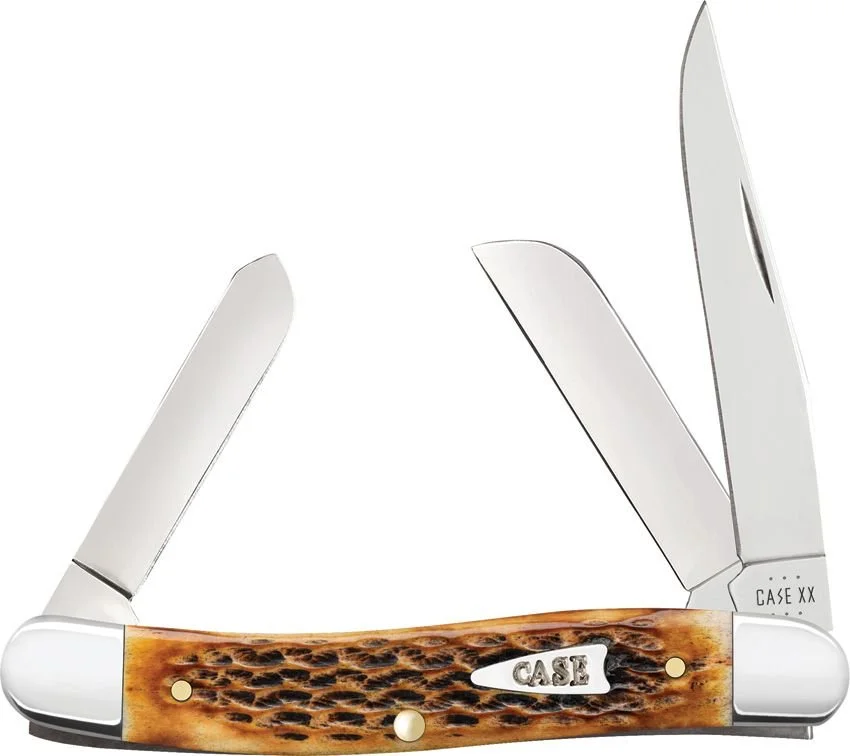
This Medium Stockman is part of the classic Amber Bone CS family, showcasing the signature Amber Bone color and Peach Seed jigging that represent the true heart of the Case line. Stockman knives are valued for their versatility, packing three blades into a compact and highly practical pocketknife design.
The Clip and Sheepfoot blades sit at the pocket end, while the Spey blade is positioned on the cap end. The Clip blade serves as a versatile, multi-purpose blade and is favored for precision and detail work. The Sheepfoot blade provides added strength at the tip, making it excellent for carving and achieving clean, controlled cuts. The Spey blade rounds out the trio as a dependable all-purpose utility blade.
This knife is crafted with Case Carbon Steel (CS) blades. Many knife enthusiasts prefer carbon steel for its heritage and performance, as it is the original Case blade steel. Carbon steel is known for exceptional edge retention and ease of re-sharpening. Because it is less resistant to rust, pitting, and discoloration than stainless steel, we recommend maintaining a thin film of oil on the blades to preserve their finish and longevity—helping ensure your knife can be enjoyed for generations to come.
Made in Bradford, Pennsylvania, USA, with domestic and imported materials, this knife comes conveniently packaged in a box and is backed by Case’s limited lifetime warranty.
Features:
Mirror-polished Carbon Steel blades
Clip, Sheepfoot, and Spey blade configuration
Peach Seed jigged Amber Bone handle
Closed length: 3.63 inches
Weight: 2.5 oz
Limited lifetime warranty
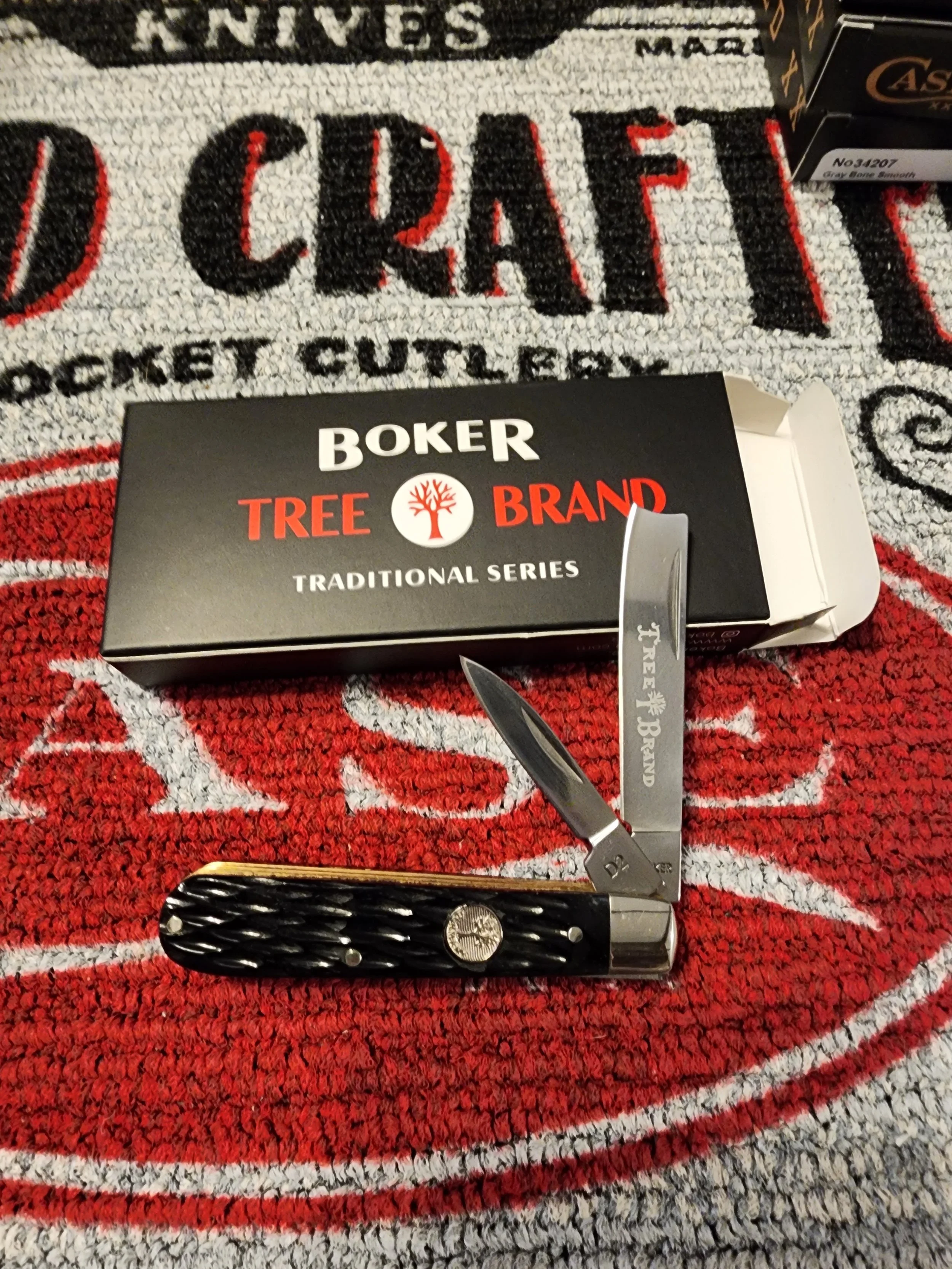
3" (7.62cm) closed. Mirror finish D2 tool steel razor and pen blades. Black jigged bone handle. Nickel silver bolster(s). Inlay shield. Boxed.
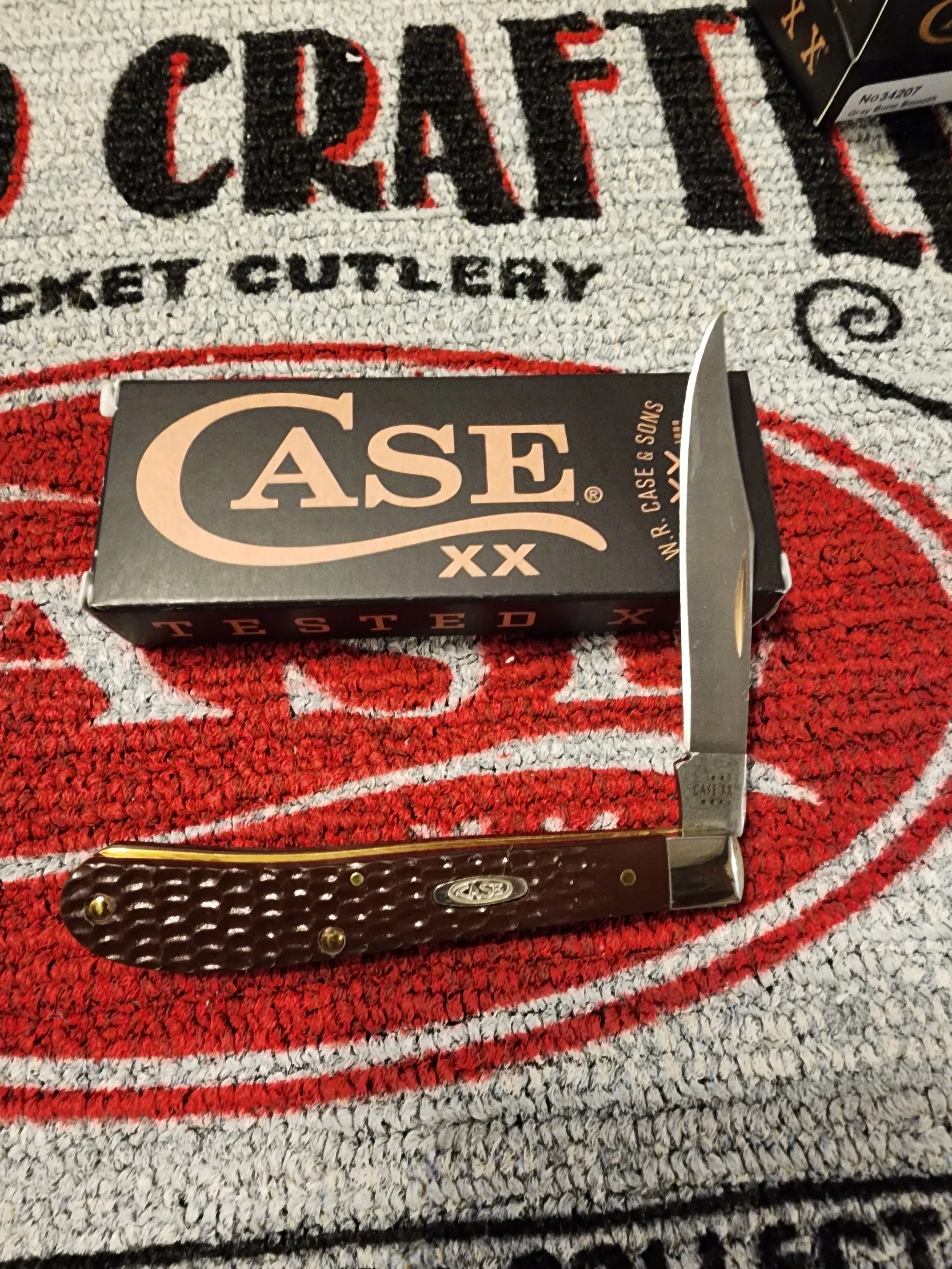
This W.R. Case & Sons Cutlery Co. Slimline Trapper knife utilizes a 3 1/4" Clip blade. Stamped with pattern number 61048 SS, the blade material is Tru-Sharp Surgical Stainless Steel with "As Ground" finish. The handle is jigged Brown Delrin Synthetic with an Oval Nickel Silver CASE Inlay shield. The bolsters are highly polished Nickel Silver. It's around 4 1/8 inches long (folded/closed) and weighs approximately 1.9 ounces.
Inside
our world
Pocket Knife Collecting
Why collect pocket knives?
Pocket knives are miniature time capsules. Each blade, handle material, and maker’s mark captures a moment in design, technology, and culture. Collecting them lets you build a personal museum that fits in your pocket.
They’re tactile and functional. Unlike many collectibles that sit behind glass, a pocket knife invites handling, inspection, and occasional use—while still being collectible.
Types of pocket knives to consider
Traditional slip-joints: Classic patterns like the penny, two-blade, and trapper are staples of any collection. Look for makers such as Case, Buck (vintage models), and regional craftsmen.
Folding-lock knives: Lockbacks and liner locks demonstrate more modern engineering and add variety to your display. Brands range from custom makers to well-known production names.
Gentleman’s knives: Slim, elegant blades intended for everyday dress carry. Often have refined materials and finishes.
Multi-tools: When your collection crosses into utility, include select multi-tools or compact Swiss Army-style pieces for their design ingenuity.
Custom and artisan knives: Unique scales, Damascus blades, and hand-filed spines add rarity and story to a collection.
Historical/military folders: Collect pieces tied to specific eras or conflicts, which often have strong provenance and collector interest.
How to start and grow your collection
Pick a focus: Choose a theme—by maker, era, pattern, material, or region. A focused collection becomes deeper and more meaningful than a scattered assortment.
Learn basic ID skills: Blade tang stamps, pattern names, and handle materials (celluloid, bone, stag, micarta, G10) tell you a lot about age and origin.
Condition matters: Mint, unused blades command higher prices; honest, well-cared-for knives with original sheaths or boxes retain history and value.
Buy from trusted sources: Reputable dealers, knife shows, specialized forums, and established auction houses reduce risk and often provide useful provenance.
Network with other collectors: Clubs, online communities, and local meetups are great for trading, learning, and finding rare pieces.
Keep records: Photograph items, note purchase dates, seller info, condition, and any provenance. Records help with insurance and future selling.
Care and display
Basic maintenance: Wipe blades clean after use, apply a light oil to pivot points, and avoid harsh chemicals on handle materials. For carbon steel, control humidity to prevent rust.
Storage: Store knives dry, preferably in a closed box or drawer with silica gel packs. Leather sheaths are attractive but can hold moisture—periodically air them out.
Display ideas: Rotating racks, shadow boxes, and trays with labeled compartments let you showcase variety while protecting pieces. Include info cards for maker, date, and noteworthy features.
Preservation: For vintage or historic knives, minimal handling and stable climate control preserve value. Consider professional conservation for rare, fragile pieces.
Valuing and insuring your collection
Value factors: Rarity, maker, condition, provenance, and materials (e.g., precious metals, pattern-welded steel) determine worth.
Get appraisals for high-value items and document them. Insurance riders or collectibles policies protect against theft, loss, and damage.
Market awareness: Knife values can fluctuate with trends and maker reputation. Track recent sales and auction results to stay informed.
Ethics and legalities
Know your local laws regarding carry and possession. Blade length, locking mechanisms, and public carrying rules vary by state and municipality.
Respect provenance: Avoid buying knives with dubious origins or items tied to illicit activity. Ask questions about a piece’s history.
Why this hobby is fun
Pocket knife collecting blends history, craftsmanship, utility, and personal taste. Whether you’re hunting for a rare tang stamp, admiring a hand-carved scale, or simply enjoying the smooth action of a well-made folder, there’s always a new detail to discover. Collecting pocket knives turns everyday tools into storytelling objects that reflect your curiosity and style.